


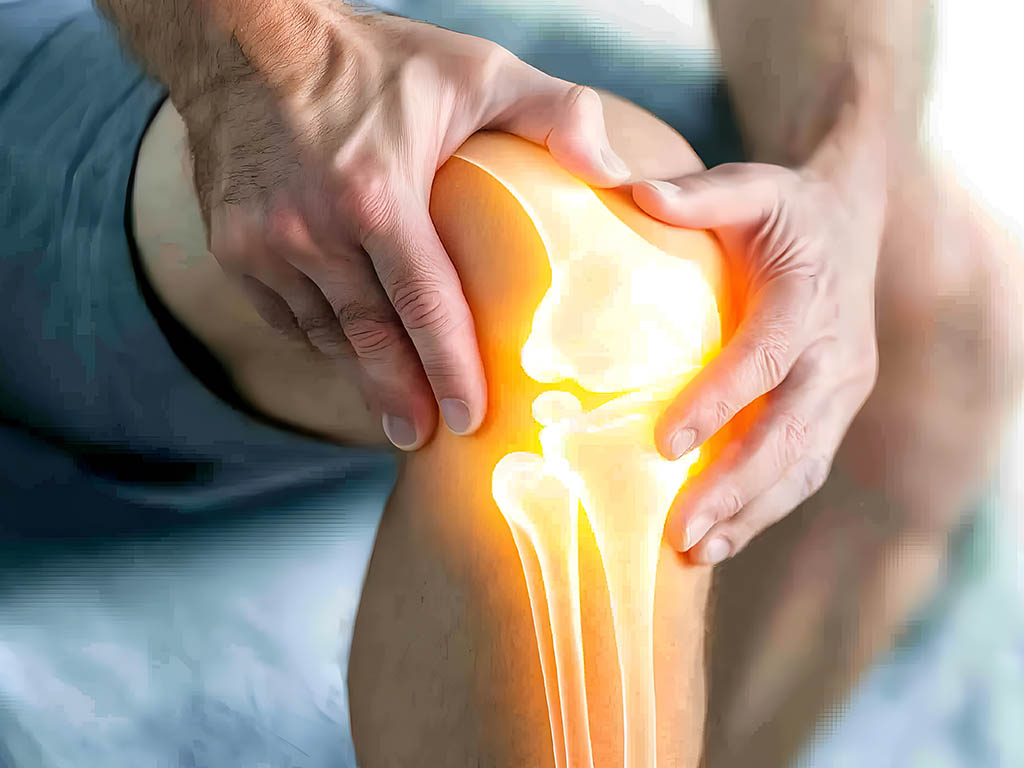
Private joint pain clinic care may be needed when knee pain, hip pain, shoulder pain, elbow pain, arthritis pain or general joint pain begins to affect walking, work, sleep, exercise or daily activity. Many people try to manage joint pain with rest, painkillers, physiotherapy or lifestyle changes, but in some cases symptoms continue and specialist assessment becomes important.
At Pain Consultants in Lancashire, patients receive consultant led assessment and treatment for persistent joint pain, arthritis related pain, sports related joint problems and nerve related pain around the joints. The clinic supports patients from Lancashire as well as from London, Manchester, Birmingham, Leeds and other parts of the UK who are seeking specialist diagnosis and advanced non surgical treatment options.
Joint pain can have many causes. It may come from osteoarthritis, inflammation, injury, tendon problems, bursitis, cartilage irritation, nerve related pain or referred pain from the spine. A careful diagnosis is important because the best treatment depends on where the pain is coming from and how it is affecting the patient’s function.
What Is a Private Joint Pain Clinic
A private joint pain clinic provides specialist assessment and treatment for patients with ongoing pain in one or more joints. This may include knee pain, hip pain, shoulder pain, elbow pain, wrist pain, hand pain, ankle pain or arthritis related pain.
Patients may seek private joint pain treatment when symptoms are affecting daily life, when standard treatment has not worked, when they want faster assessment, or when they need a consultant led opinion on the most suitable non surgical options.
At Pain Consultants, the focus is not only on reducing pain, but also on improving movement, function, confidence and quality of life. Treatment may involve diagnosis, medication review, rehabilitation planning, joint injections, nerve blocks, ablation procedures, regenerative treatment or other minimally invasive options where appropriate.
Patients can learn more about related treatment areas through the Joint Pain treatment section.
When to See a Joint Pain Specialist
Joint pain is common, and some symptoms improve with rest, activity modification, physiotherapy, weight management and simple pain relief. However, specialist help should be considered when pain is persistent, worsening or limiting normal activity.
A patient may benefit from seeing a joint pain specialist if:
- Joint pain has continued for weeks or months
- Pain is affecting walking, stairs, work or sleep
- The joint feels stiff, swollen or restricted
- There is pain despite physiotherapy or medication
- Arthritis pain is becoming more difficult to manage
- There is recurring knee, hip, shoulder or elbow pain
- The diagnosis is unclear
- The patient wants to explore non surgical treatment options
- Previous injections or treatment have not provided lasting relief
The NHS advises urgent medical advice for certain joint symptoms, including severe pain and swelling in one joint that starts suddenly, joint pain with fever, or red and hot skin around the joint. These symptoms may need urgent assessment and should not be managed as routine joint pain.
Common Causes of Joint Pain
Joint pain can come from several different structures. The joint surface, cartilage, bone, ligaments, tendons, muscles, bursae, nerves and surrounding soft tissues can all contribute to pain.
Common causes of joint pain include:
- Osteoarthritis
- Inflammatory arthritis
- Sports injury
- Cartilage irritation or degeneration
- Tendon pain or tendinopathy
- Bursitis
- Ligament strain
- Post injury pain
- Nerve related pain around the joint
- Referred pain from the back, neck or spine
- Persistent pain after previous surgery
This is why a detailed assessment is important. Two patients may both describe knee pain, but one may have arthritis, another may have tendon pain, and another may have pain referred from the back or a nerve around the knee.
Patients can learn more about diagnostic assessment through the Comprehensive Diagnosis service.
Joint Pain and Osteoarthritis
Osteoarthritis is one of the most common causes of joint pain. It can affect the knees, hips, hands, spine, shoulders and other joints. The NHS describes the main symptoms of osteoarthritis as pain and stiffness in the joints, which can make movement and daily activities more difficult.
Osteoarthritis symptoms may include:
- Joint pain during or after activity
- Morning stiffness or stiffness after rest
- Reduced range of movement
- Swelling around the joint
- Clicking, grinding or creaking sensations
- Pain when using stairs or standing from a chair
- Difficulty walking longer distances
- Reduced confidence with activity
Osteoarthritis does not always get worse quickly. Some patients improve with exercise, weight management, footwear changes, physiotherapy and carefully planned treatment. Others need additional support when pain remains significant or begins to limit daily life.
Patients can also explore the Joint Injection service page for related information.
Knee Pain Treatment in Lancashire
Knee pain is one of the most common reasons patients look for a private joint pain clinic. Knee pain may be caused by osteoarthritis, meniscus irritation, ligament injury, kneecap problems, tendon pain, bursitis, referred pain or nerve related pain.
Patients may describe:
- Pain when walking or climbing stairs
- Pain getting in and out of a car
- Knee stiffness after sitting
- Swelling around the knee
- Pain at the front, inside, outside or back of the knee
- Clicking, grinding or giving way
- Pain that limits exercise or work
- Pain despite physiotherapy or medication
For knee arthritis and persistent knee pain, treatment may include medication review, rehabilitation planning, joint injections, genicular nerve blocks, radiofrequency ablation or regenerative options in selected cases.
Patients can read more about nerve based treatment for knee pain through the Genicular Nerve Block and Ablation treatment page.
Hip Pain Treatment in Lancashire
Hip pain may come from the hip joint itself, the surrounding tendons, bursae, muscles, pelvis, lower back or nerves. Some patients feel pain in the groin, while others feel pain around the side of the hip, buttock, thigh or knee.
Hip pain may be linked to:
- Hip osteoarthritis
- Trochanteric bursitis
- Tendon irritation around the hip
- Referred pain from the lower back
- Nerve related pain
- Previous injury
- Altered walking pattern
A clear diagnosis is important because not all hip area pain comes from the hip joint. Some patients may need treatment for the joint itself, while others may need treatment for surrounding soft tissue, spinal pain or nerve related pain.
Patients with hip arthritis related pain may find the Acetabular Nerve Block and Ablation page helpful.
Shoulder and Elbow Pain
Shoulder and elbow pain can affect work, driving, lifting, dressing, sleep and sport. Pain may come from the joint, tendons, bursae, muscles, ligaments or nerves. It may also be referred from the neck.
Shoulder pain may involve:
- Rotator cuff related pain
- Shoulder arthritis
- Frozen shoulder type stiffness
- Bursitis
- Post injury pain
- Neck related referred pain
Elbow pain may involve:
- Tennis elbow type symptoms
- Golfer’s elbow type symptoms
- Arthritis
- Soft tissue irritation
- Nerve related pain
- Pain after repetitive work or sport
Treatment depends on the diagnosis. In some patients, rehabilitation and activity modification are the main focus. In others, targeted injections or minimally invasive procedures may be considered where clinically appropriate.
Private Arthritis Pain Treatment
Patients searching for a private joint pain clinic often have arthritis related pain that is affecting daily life. Arthritis pain may be mild and occasional, or it may become persistent and limiting.
Arthritis pain may cause:
- Joint stiffness
- Reduced movement
- Pain with walking or activity
- Swelling or tenderness
- Difficulty with stairs
- Pain at night
- Reduced confidence with exercise
- Less independence with daily tasks
The aim of private arthritis pain treatment is to understand the stage of the condition, identify what is driving the pain, and create a realistic plan. This may include rehabilitation, medication review, joint injection, nerve block, radiofrequency treatment or regenerative treatment in selected cases.
Not every patient needs surgery. Some patients want to delay surgery, avoid surgery where possible, or improve pain and function while they are considering their long term options.
Private Cortisone Injection Near Me
Some patients search for a private cortisone injection when joint pain, swelling or inflammation is not settling. Steroid injections can be used in selected cases to reduce inflammation and pain in swollen or painful joints.
A steroid injection may be considered for:
- Arthritis flare ups
- Inflamed joints
- Bursitis
- Soft tissue inflammation
- Selected tendon or joint related pain conditions
Steroid injections are not suitable for every patient and should be used after proper assessment. The clinician needs to consider the diagnosis, medical history, diabetes status, infection risk, medication, previous injections and whether the joint or soft tissue structure is the correct pain source.
Patients can read more about related options through the Joint Injections: Steroid, PRP and Stem Cell treatment page.
PRP and Regenerative Options for Joint Pain
Some patients ask about PRP, stem cell therapy or other regenerative medicine options for joint pain. These treatments may be considered in selected patients, depending on the diagnosis, severity of symptoms, joint condition and overall treatment goals.
Regenerative treatment is not suitable for everyone. It should not be presented as a guaranteed cure for arthritis or joint degeneration. A careful assessment is needed to decide whether it is appropriate and whether other treatment options should be considered first.
Patients can learn more through the Regenerative Medicine service page and the PRP Platelet Rich Plasma treatment page.
When Previous Joint Pain Treatment Has Not Worked
Some patients have already tried physiotherapy, painkillers, anti inflammatory medication, exercise, weight loss, private treatment, injections or surgery before attending a specialist pain clinic.
Previous treatment may not provide sustained relief for several reasons:
- The main pain source may not have been identified
- More than one structure may be contributing to pain
- The pain may be referred from the spine or nerves
- The joint may need a more targeted treatment plan
- Rehabilitation may not have been matched to the diagnosis
- The patient may have developed persistent pain sensitivity
- The treatment may have helped temporarily but not addressed function
A fresh specialist assessment can be valuable when symptoms are ongoing, complex or not responding as expected. This may include reviewing previous scans, diagnosis, treatment history, injection response and the exact pattern of pain.
Specialist Assessment for Joint Pain
Specialist assessment begins with understanding the patient’s symptoms, medical history and goals. The clinician will ask where the pain is felt, when it started, what makes it worse, what improves it and how it affects daily life.
The physical examination may assess:
- Joint movement and stiffness
- Pain triggered by movement or loading
- Swelling or tenderness
- Walking pattern and functional limitation
- Muscle strength and control
- Signs of tendon, ligament or soft tissue involvement
- Possible referred pain from the spine
- Signs of nerve related pain where appropriate
Relevant imaging such as X ray, ultrasound or MRI may also be reviewed where available. In some cases, diagnostic injections may be used to help confirm whether a specific joint or nerve is contributing to the pain.
Treatment Options at a Private Joint Pain Clinic
Treatment depends on the diagnosis, severity of symptoms and patient goals. The aim is to reduce pain, improve function and support longer term joint health where possible.
Patients can view wider treatment options through the Minimally Invasive Procedures service page.
Medication Review
Medication review may be helpful when painkillers are not working, side effects are becoming a problem, or the patient is unsure which medicines are suitable. This may include reviewing current medication, medical history, sleep impact and long term safety.
Medication alone is rarely the full answer for persistent joint pain, but it can form part of a wider plan.
Joint Injection
Joint injections may be considered when pain is coming from a specific joint or surrounding soft tissue structure. Depending on the diagnosis, this may include steroid injection, local anaesthetic injection, PRP or other selected options.
The aim may be to reduce inflammation, improve pain, support rehabilitation or help confirm the pain source.
Patients can learn more through the Joint Injection service page.
Genicular Nerve Block and Ablation
For selected patients with persistent knee arthritis pain, genicular nerve block and ablation may be considered. This approach targets nerves that carry pain signals from the knee.
It may be relevant for patients who are not ready for surgery, are not suitable for surgery, or continue to have pain despite other treatment. Suitability depends on specialist assessment.
More detail is available on the Genicular Nerve Block and Ablation page.
Acetabular Nerve Block and Ablation
For selected patients with hip arthritis pain, acetabular nerve block and ablation may be considered as part of a non surgical pain management plan.
This treatment may be discussed when hip joint pain is persistent and affecting function. As with all procedures, careful diagnosis is needed before deciding whether it is appropriate.
Patients can read more on the Acetabular Nerve Block and Ablation page.
Trigger Point and Soft Tissue Injections
Some joint pain presentations also involve surrounding muscles, tendons and soft tissues. Trigger point or soft tissue injections may be considered when muscular or soft tissue pain is contributing to the overall problem.
This can be relevant around the shoulder, hip, elbow, knee or upper back depending on the diagnosis.
Patients may also find the Joints Muscles and Soft Tissue Injections page helpful.
Rehabilitation and Pain Management Programme
Long term improvement often requires more than an injection. Rehabilitation can help improve strength, mobility, confidence and function. For arthritis and persistent joint pain, exercise is often an important part of care when matched to the patient’s ability and condition.
A pain management programme may also help patients who have long standing pain, reduced confidence, sleep disruption or fear of movement.
Patients can learn more about this wider approach on the Rehabilitation and PMP service page.
Private Joint Pain Clinic or Orthopaedic Surgeon
Some patients are unsure whether they should see a pain specialist or an orthopaedic surgeon. The answer depends on the condition and the treatment goal.
An orthopaedic surgeon may be appropriate where there is severe joint damage, mechanical instability, major structural injury or when surgery is being considered. A pain specialist may be appropriate where the patient wants non surgical treatment, pain control, joint injections, nerve based procedures, diagnosis review or help with persistent pain.
In many cases, these roles can complement each other. Some patients see a pain specialist before surgery, while others need pain management after surgery or when surgery is not suitable.
Private Joint Pain Treatment in Lancashire and Across the UK
Patients looking for private joint pain treatment in Lancashire, London and across the UK often want more than temporary pain relief. They want to understand what is causing the pain, what treatment options are realistic, and how to improve function without unnecessary delay.
Pain Consultants provides consultant led assessment for patients with knee pain, hip pain, shoulder pain, elbow pain, arthritis pain and persistent joint related symptoms. The clinic offers a structured approach that includes careful diagnosis, review of previous treatment, and targeted non surgical options where appropriate.
Patients may also find the Procedures Information page helpful before attending for treatment.
Frequently Asked Questions
What does a private joint pain clinic treat
A private joint pain clinic may assess and treat knee pain, hip pain, shoulder pain, elbow pain, arthritis pain, sports related joint pain, tendon pain, bursitis and persistent pain after previous treatment.
Can I have a private cortisone injection for joint pain
A cortisone injection may be considered in selected cases where inflammation or joint irritation is contributing to pain. Suitability depends on diagnosis, medical history, medication, infection risk and previous treatment.
What is the best treatment for knee arthritis pain
The best treatment depends on the severity of arthritis, symptoms and patient goals. Options may include exercise, weight management, medication review, joint injections, genicular nerve block, radiofrequency ablation or surgery in selected cases.
Can joint pain be treated without surgery
Yes. Many patients with joint pain can be managed with non surgical options, including rehabilitation, medication review, joint injections, nerve blocks, ablation treatment or regenerative options where appropriate.
When should joint pain be checked urgently
Urgent medical advice should be sought if there is severe sudden joint pain and swelling, redness or heat around the joint, fever, feeling shivery, or symptoms that suggest infection or inflammatory disease.
Do joint injections cure arthritis
Joint injections do not cure arthritis. They may reduce pain and inflammation in selected patients and may help support rehabilitation or improve function for a period of time.
Can I attend from outside Lancashire
Yes. Patients attend Pain Consultants from Lancashire, London, Manchester, Birmingham, Leeds and other parts of the UK.
Finding the Right Treatment for Joint Pain
Joint pain can be frustrating when it limits walking, work, sleep, exercise or independence. The right treatment depends on the correct diagnosis, the structures involved and the patient’s goals.
For patients in Lancashire, London and across the UK, Pain Consultants offers consultant led assessment and advanced non surgical treatment options for knee pain, hip pain, shoulder pain, elbow pain, arthritis pain and persistent joint symptoms.
Patients who are ready to take the next step can Book a Consultation for specialist assessment.
For general information about arthritis, osteoarthritis and joint injections, patients may also refer to NHS guidance on arthritis, NHS guidance on osteoarthritis and NHS guidance on hydrocortisone injections.