


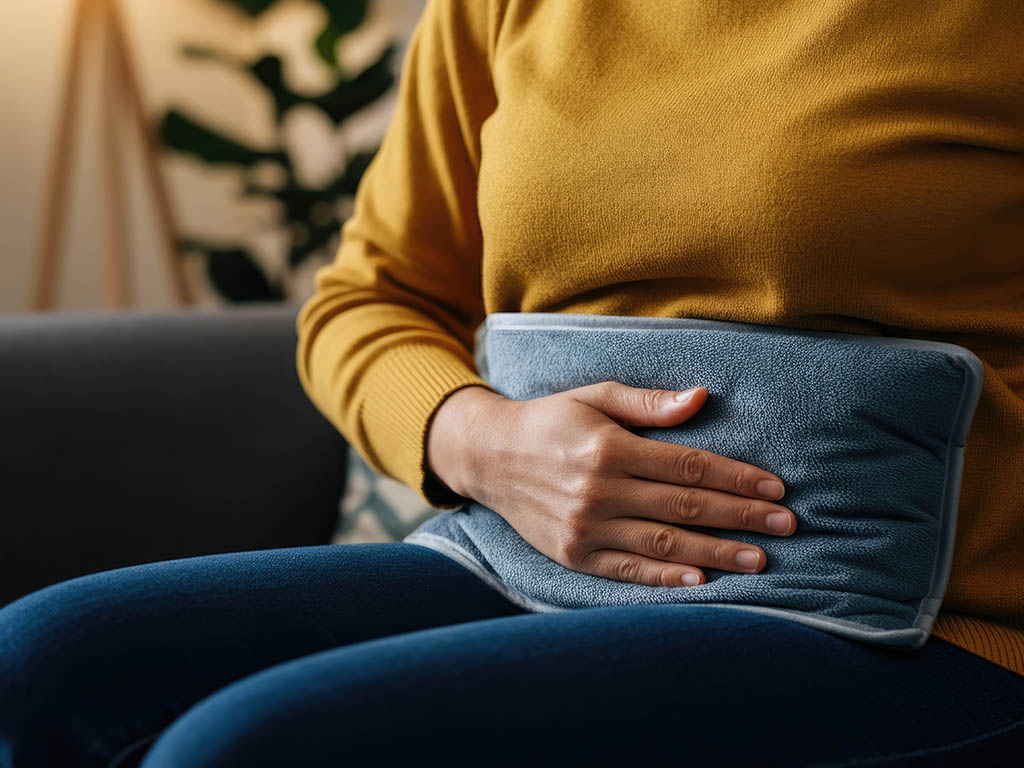
Persistent discomfort in the lower abdomen or pelvic region can affect sitting, walking, sleep, work, relationships and quality of life. Some patients feel symptoms around the pelvis, groin, perineum, bladder area, bowel area, genitals, hips or lower back. The pain may feel aching, burning, stabbing, sharp, pressure like, nerve like or difficult to explain.
At Pain Consultants in Lancashire, patients receive consultant led assessment and treatment for long term pelvic symptoms, nerve related discomfort, pelvic floor related problems and complex pain conditions. The clinic supports patients from Lancashire as well as from London, Manchester, Birmingham, Leeds and other parts of the UK who are seeking specialist diagnosis and advanced non surgical treatment options.
There are many possible reasons for symptoms in this area. They may be linked to nerves, muscles, pelvic floor dysfunction, bladder symptoms, bowel symptoms, reproductive organ conditions, prostate or testicular conditions, lower back problems, hip problems, previous surgery, injury or trauma. Because these causes can overlap, careful assessment is important before deciding on the most suitable treatment plan.
Understanding Persistent Pelvic Symptoms
Discomfort in the pelvic region may affect women and men, although some causes are different depending on anatomy, medical history and underlying condition. Some patients have one clear source of pain. Others have a more complex pattern involving nerves, muscles, joints, pelvic organs, previous surgery, previous trauma or long term pain sensitivity.
Symptoms may be short term or long term. When they continue for several months, affect daily life, or keep returning, a specialist assessment may help identify why the problem is continuing and what treatment options may be appropriate.
Patients may seek help when symptoms affect:
- Sitting comfortably
- Walking or standing
- Sleeping
- Work or daily duties
- Exercise and mobility
- Bladder or bowel comfort
- Sexual comfort or intimacy
- Travel or driving
- Confidence with movement
- Quality of life
Patients can learn more about related care through this treatment section.
What Chronic Pelvic Symptoms May Feel Like
Chronic symptoms in this area usually refer to persistent or recurring pain in the lower abdomen or pelvic region that continues over time. It may be linked to a known condition, previous surgery, nerve irritation, musculoskeletal problems, pelvic floor dysfunction, inflammation or a wider chronic pain condition.
This type of pain can be difficult because symptoms may not always match one single test result. Some patients have normal scans but still experience significant discomfort. Others have several overlapping contributors, such as pelvic floor muscle tension, nerve sensitivity, bladder symptoms, bowel symptoms, hip pain or lower back pain.
Symptoms may feel like:
- A deep ache in the lower abdomen or pelvis
- Burning, stabbing or shooting pain
- Pressure or heaviness in the pelvic area
- Pain that worsens with sitting
- Pain that spreads to the groin, hips, lower back or legs
- Pain around the bladder, bowel, rectum, genitals or perineum
- Pain after surgery, injury or childbirth
- Pain that affects sleep, work or daily activity
Patients can read more through our consultant led service page.
When Specialist Assessment May Be Needed
Persistent symptoms should be assessed carefully when they are recurrent, severe, worsening, unexplained or affecting day to day function. A specialist assessment can help identify whether symptoms may be nerve related, musculoskeletal, pelvic floor related, inflammatory, bladder related, bowel related, gynaecological, urological or part of a wider pain condition.
Patients may benefit from specialist assessment if they have:
- Pain lasting for several weeks or months
- Symptoms that keep coming back
- Discomfort that affects sitting, walking, sleep, work or daily activity
- Pain after surgery, injury, childbirth or trauma
- Burning, shooting or nerve like symptoms
- Discomfort linked with the bladder, bowel, groin or lower back
- Symptoms that have not improved with standard treatment
- Medication side effects or limited pain relief
- Unclear diagnosis
- Interest in non surgical treatment options
Patients can learn more about diagnostic assessment through the Comprehensive Diagnosis service.
Common Causes and Contributing Factors
Symptoms in the pelvic region can come from different structures in and around the pelvis. The best treatment depends on the source of pain, the pattern of symptoms, previous investigations, medical history and examination findings.
Possible causes or contributing factors may include:
- Pelvic floor muscle tension or dysfunction
- Nerve irritation or nerve sensitivity
- Pudendal neuralgia or other pelvic nerve pain
- Lower back, hip or sacroiliac joint problems
- Previous surgery or scar tissue
- Previous injury or trauma
- Bladder related pain
- Bowel related pain
- Prostate related symptoms in men
- Gynaecological conditions in women
- Inflammatory or infection related causes
- Long term pain sensitivity
Not every patient has the same cause. Some patients need coordinated care because symptoms can involve more than one body system.
Nerve Related Symptoms in the Pelvic Region
Nerve related pain may cause burning, shooting, electric, stabbing, tingling or hypersensitive symptoms. It may affect the lower abdomen, groin, perineum, rectal area, genitals, buttocks, hips or legs depending on which nerves are involved.
Nerve involvement may be considered when symptoms include:
- Burning or shooting pain
- Pain that worsens when sitting
- Discomfort around the perineum, rectum or genitals
- Tingling, numbness or altered sensation
- Pain after pelvic surgery or injury
- Pain that spreads from the pelvis into nearby areas
- Symptoms that do not match a simple muscle or joint problem
Patients with nerve related symptoms may need careful clinical assessment to decide whether medication review, nerve blocks, rehabilitation, pelvic floor input or another pain management approach may be suitable.
Pudendal Neuralgia and Sitting Related Pain
Pudendal neuralgia is a type of nerve pain involving the pudendal nerve. This nerve supplies areas including parts of the pelvis, perineum, rectal area and genitals. Symptoms may include pain, burning, tingling or numbness in areas supplied by the pudendal nerve, and may be worse when sitting.
Symptoms that may suggest pudendal nerve involvement include:
- Burning or stabbing pain in the pelvic or perineal area
- Pain that is worse when sitting
- Pain that improves when standing or lying down in some patients
- Altered sensation around the genitals, rectum or perineum
- Pain after pelvic surgery, injury, childbirth or prolonged pressure
- Bladder, bowel or sexual discomfort in some cases
Pudendal neuralgia is not the only possible cause. Similar symptoms can come from pelvic floor dysfunction, lower back problems, hip problems, bladder conditions, bowel conditions or other nerve related pain. This is why a specialist assessment is important.
Patients can learn more about related interventions through our dedicated treatment area.
Pelvic Floor Related Symptoms
The pelvic floor is a group of muscles and connective tissues that support the pelvic organs and help with bladder, bowel and sexual function. When these muscles become tense, overactive, weak, irritated or painful, they may contribute to discomfort in the lower abdomen, pelvis, groin or perineal area.
Pelvic floor related symptoms may be associated with:
- Pain or pressure in the lower abdomen or pelvis
- Pain with sitting
- Bladder or bowel discomfort
- Pain after childbirth, surgery or trauma
- Muscle spasm or tightness
- Pain with movement or activity
- Pain that overlaps with hip, back or groin symptoms
These symptoms may require a coordinated approach. Depending on the diagnosis, treatment may involve medical assessment, medication review, targeted pain procedures, physiotherapy input, rehabilitation and longer term pain management planning.
Pain After Surgery, Injury or Trauma
Some patients develop symptoms after surgery, injury, childbirth, falls, accidents or trauma. Pain may be linked to scar tissue, nerve irritation, muscle guarding, altered movement, inflammation or long term sensitivity in the nervous system.
Post surgery or post injury symptoms may involve:
- Persistent pain around the lower abdomen or pelvis
- Burning or sensitive scar related pain
- Pain that started after a procedure or injury
- Pelvic muscle guarding or tightness
- Nerve related symptoms
- Pain that has not improved as expected
- Reduced confidence with movement or activity
A fresh assessment can help review what has already been investigated, whether further referral is needed, and whether pain management options may help improve comfort and function.
Symptoms in Women
Lower abdominal or pelvic symptoms are common in women and may be linked to period pain, endometriosis, ovarian cysts, pelvic inflammatory disease, pregnancy related causes, bladder conditions, bowel conditions, pelvic floor dysfunction or other causes. Some symptoms need urgent medical assessment, especially if pain is sudden, severe or associated with bleeding, dizziness, fainting or pregnancy concerns.
Women may seek specialist support when symptoms:
- Continue beyond expected period pain
- Affect daily life, work, sleep or movement
- Continue after gynaecology review or treatment
- Persist after surgery
- Overlap with bladder, bowel, back or hip pain
- Have a nerve like or burning quality
- Have not responded to standard medication or physiotherapy
Pain Consultants does not replace urgent gynaecology, pregnancy related or emergency assessment where needed. However, for persistent or complex symptoms, a pain specialist may help assess whether nerve pain, musculoskeletal pain, chronic pain sensitivity or targeted interventional options are relevant.
Symptoms in Men
Men can also experience long term discomfort in the lower abdomen, pelvis, groin, perineum or genital region. Symptoms may be linked to prostate related problems, testicular conditions, hernia, bladder or bowel conditions, pelvic floor dysfunction, nerve pain, lower back pain, hip pain or chronic pelvic pain syndrome.
Men may need assessment when symptoms include:
- Pain in the lower abdomen, pelvis, groin or perineum
- Pain around the testicles, penis, rectum or prostate area
- Pain that worsens when sitting
- Bladder or bowel discomfort
- Pain after surgery, injury or infection
- Burning, shooting or nerve like pain
- Symptoms affecting sleep, work, exercise or daily life
Because male symptoms can overlap with urology, bowel, nerve, muscle and spine related conditions, proper assessment is important before deciding on treatment.
How a Consultant Assesses Your Symptoms
A consultation should be careful, respectful and clinically detailed. The aim is to understand the pain pattern, possible causes, previous investigations, previous treatment and the patient’s wider goals.
The assessment may consider:
- Where the pain is located
- How long the symptoms have been present
- Whether symptoms are constant or intermittent
- Whether pain is linked to sitting, walking, movement or activity
- Whether there are bladder, bowel, sexual or reproductive symptoms
- Whether there has been previous surgery, injury, childbirth or trauma
- Current medication and previous medication trials
- Relevant scans, reports or specialist letters
- Impact on sleep, work, mobility and quality of life
- Patient concerns, priorities and treatment goals
The physical examination may assess posture, movement, lower back, hips, abdomen, pelvic related pain patterns, nerve sensitivity, muscle tenderness and signs of referred pain from nearby areas. The exact examination depends on the patient’s symptoms and clinical need.
Patients can learn more about the clinic approach through the Services page.
When Symptoms May Need Urgent Medical Assessment
Some symptoms need urgent medical attention. A private pain consultation is not a replacement for emergency care where urgent symptoms are present.
Urgent medical help should be sought if pain is:
- Severe, sudden or rapidly worsening
- Associated with fainting, dizziness or feeling lightheaded
- Associated with heavy vaginal bleeding
- Associated with shoulder tip pain or difficulty breathing
- Associated with fever, feeling very unwell or confusion
- Linked to possible pregnancy complications
- Associated with severe abdominal tenderness
- Associated with vomiting, collapse or signs of serious illness
- Linked to testicular pain, swelling or sudden groin symptoms in men
- Linked to concern about infection, appendicitis or another emergency condition
These symptoms may need urgent GP, NHS 111, emergency, gynaecology, urology or surgical assessment depending on severity.
Treatment Options That May Be Considered
Chronic pelvic pain treatment depends on the diagnosis. Because symptoms can involve nerves, muscles, joints, pelvic organs and long term pain sensitivity, care often needs to be tailored rather than based on one fixed approach.
Treatment options may include:
- Medication review and optimisation
- Pelvic nerve blocks in selected cases
- Ganglion impar block in selected cases
- Genito femoral nerve block in selected cases
- Caudal epidural in selected cases
- Pelvic injections where clinically suitable
- Rehabilitation and movement planning
- Pelvic floor physiotherapy referral where appropriate
- Pain management programme support
- Referral or coordination with gynaecology, urology, gastroenterology or other specialists where needed
Patients can view wider intervention options through the Minimally Invasive Procedures service page.
Medication Review and Optimisation
Persistent symptoms may require a review of current medication, pain control, side effects and suitability. Some patients may need medicines aimed at nerve related pain, inflammation, muscle related pain or wider chronic pain symptoms depending on the diagnosis.
Medication decisions should be made by a qualified clinician who can assess the patient’s other medicines, medical history, risk factors and treatment goals.
Patients can read more through the Medication Review and Optimisation treatment page.
Pelvic Nerve Blocks
Pelvic nerve blocks may be considered in selected patients where symptoms suggest nerve related pain. The aim may be to reduce pain signals, support diagnosis and help patients engage with rehabilitation or daily activity where appropriate.
Nerve blocks are not suitable for every patient. The decision depends on the pain pattern, examination findings, medical history, previous treatment and whether the expected benefits outweigh the risks.
Patients can learn more about relevant procedures through these specialist treatment options.
Ganglion Impar Block
The ganglion impar is a nerve structure located near the lower end of the spine. A ganglion impar block may be discussed in selected cases of pelvic, perineal, rectal or coccyx related pain depending on the diagnosis and specialist assessment.
This treatment is not suitable for all patients. A consultant led assessment is needed to decide whether the pain pattern and clinical history make this option appropriate.
Patients can read more through the Ganglion Impar Block treatment page.
Genito Femoral Nerve Block
The genito femoral nerve may be involved in selected patterns of groin, lower abdominal or genital region pain. A genito femoral nerve block may be considered where symptoms, history and examination suggest this nerve may be contributing to the problem.
This treatment should only be considered after proper assessment. The clinician will discuss expected benefits, limitations, risks and alternatives before treatment.
Patients can read more through the Genito Femoral Nerve Block treatment page.
Caudal Epidural
A caudal epidural may be considered in selected patients where lower back, leg or nerve related symptoms suggest irritation around the lower spine or sacral nerve roots. It is not automatically appropriate for every patient with symptoms in the pelvic region.
A specialist assessment is needed to decide whether symptoms are likely to come from the spine, pelvic nerves, pelvic floor, hip, sacroiliac joint or another source.
Patients can read more through the Caudal Epidural treatment page.
Rehabilitation and Pain Management Support
Persistent symptoms can affect movement confidence. Some patients avoid sitting, walking, exercise, intimacy, work or travel because they worry about triggering pain. Over time, this can lead to muscle guarding, stiffness, reduced activity and increased sensitivity.
A rehabilitation focused plan may include:
- Education about the possible pain source
- Activity pacing
- Movement confidence strategies
- Gentle strengthening where suitable
- Pelvic floor physiotherapy referral where appropriate
- Sleep and function support
- Medication review
- Planning around work, travel and daily life
Patients can learn more about this approach on the Rehabilitation and PMP service page.
Symptoms Can Overlap with Back, Hip or Nerve Pain
Discomfort in this area is not always caused only by structures inside the pelvis. Pain can sometimes be referred from the lower back, sacroiliac joints, hips, abdominal wall or nerves in the spine and pelvis. Some patients also change the way they sit, walk or move because of pain, which can increase pressure on nearby muscles and joints.
Assessment may therefore need to consider:
- Lower back pain
- Sciatica or nerve root irritation
- Hip joint pain
- Sacroiliac joint pain
- Abdominal wall pain
- Pelvic floor muscle tension
- Previous surgery or injury elsewhere
- Widespread pain sensitivity
This is why a full clinical assessment is important. Treating one area alone may not be enough if the symptoms are partly coming from another source.
Patients with related symptoms may also find the Low Back Pain and Leg Pain and Sciatica sections useful.
When Previous Treatment Has Not Worked
Some patients attend after already trying painkillers, antibiotics, scans, GP treatment, physiotherapy, gynaecology review, urology review, surgery, injections or other treatment. When symptoms continue, it can be frustrating and may affect confidence in the body.
Previous treatment may not have worked for several reasons:
- The original diagnosis may need reviewing
- The pain may involve more than one structure
- There may be nerve related pain
- Pelvic floor tension may be contributing
- The pain may be referred from the back, hip or sacroiliac joint
- The medication may not have been tolerated or effective
- The treatment plan may not have matched the pain source
- There may be long term pain sensitivity
- There may be more than one condition present
- The patient may need coordinated care rather than one isolated treatment
A fresh assessment can help identify what has already been tried, what has helped, what has failed, and what options may still be appropriate.
Living with Long Term Symptoms
Long term symptoms can affect much more than physical comfort. They can affect sleep, mood, relationships, independence, work, movement, exercise, travel and personal confidence. Some patients feel embarrassed discussing symptoms in this area, while others feel that their pain has not been fully understood.
A structured pain management plan may aim to:
- Understand the likely source of pain
- Reduce symptoms where possible
- Improve sitting, walking and daily activity
- Support sleep and routine
- Review medication and side effects
- Consider targeted procedures where suitable
- Support rehabilitation and movement confidence
- Coordinate with other specialists where needed
- Support long term self management
For many patients, the best approach is not one isolated treatment, but a carefully planned combination of diagnosis, education, medication review, rehabilitation and targeted procedures where suitable.
When to See a Pain Specialist
Specialist help should be considered when:
- Symptoms have continued for several weeks or months
- Pain keeps returning
- Symptoms affect sitting, walking, sleep, work or daily activity
- Pain continues after GP, gynaecology, urology or surgical review
- Symptoms suggest nerve related pain
- Pain continues after surgery, injury, childbirth or trauma
- Medication is not helping or causing side effects
- The diagnosis is unclear
- The patient wants to explore non surgical treatment options
- The patient wants to know whether injections or nerve blocks may be suitable
Urgent medical attention should be sought for severe sudden pain, rapidly worsening pain, fainting, dizziness, heavy bleeding, fever, confusion, difficulty breathing, pregnancy related concerns, severe abdominal tenderness, testicular pain, suspected infection or any symptoms that feel like an emergency.
Specialist Treatment in Lancashire and Across the UK
Patients looking for chronic pelvic pain treatment in Lancashire, London and across the UK often want to understand why symptoms are continuing and whether specialist care may be suitable. A consultant led assessment can help decide whether medication review, nerve blocks, targeted injections, rehabilitation, pain management planning or another treatment route is more appropriate.
Pain Consultants provides consultant led assessment for patients with long term pelvic symptoms, nerve related pain, pelvic floor related symptoms, lower abdominal discomfort and complex pain conditions. The clinic offers a structured approach that includes careful diagnosis, review of previous treatment, and targeted non surgical options where appropriate.
Patients may also find the Procedures Information page helpful before attending for treatment.
Frequently Asked Questions
What can cause symptoms in the pelvic region?
There are many possible causes, including bladder, bowel, reproductive organ, prostate, testicular, nerve, muscle, pelvic floor, hip, spine or previous surgery related causes. A proper assessment is important because symptoms can overlap.
What is chronic pelvic pain?
Chronic pelvic pain is persistent or recurring pain in the lower abdomen or pelvic region that continues over time. It may be linked to a known condition, nerve irritation, pelvic floor dysfunction, previous surgery, previous trauma or a wider chronic pain condition.
Can this condition affect men and women?
Yes. It can affect both men and women. Some causes are different, but both men and women can experience nerve related pain, pelvic floor related symptoms, bladder or bowel related pain, musculoskeletal pain and chronic pain sensitivity.
When should symptoms be checked by a doctor?
Symptoms should be checked if they keep coming back, do not go away, affect daily life, worsen, or are linked with concerning symptoms such as weight loss, bloating, bowel changes, bladder symptoms or unexplained symptoms.
When is urgent medical help needed?
Urgent medical help should be sought if pain is severe, sudden, rapidly worsening, associated with fainting, dizziness, heavy bleeding, fever, confusion, difficulty breathing, pregnancy concerns, severe abdominal tenderness, testicular pain or signs of serious illness.
Can symptoms be nerve related?
Yes. Some symptoms are nerve related. Nerve pain may feel burning, shooting, electric, stabbing, tingling or sensitive. It may worsen with sitting and may affect the groin, perineum, rectal area, genitals, hips or lower back.
What is pudendal neuralgia?
Pudendal neuralgia is nerve pain involving the pudendal nerve. It may cause pain, burning, tingling or numbness in areas supplied by the pudendal nerve, and symptoms may be worse when sitting.
Can symptoms come from the back or hip?
Yes. Symptoms can overlap with lower back pain, hip pain, sacroiliac joint pain or nerve irritation from the spine. This is why a full assessment is important before deciding on treatment.
Are injections suitable?
Injections may be suitable for selected patients, depending on the diagnosis and pain pattern. Options may include nerve blocks, ganglion impar block, genito femoral nerve block, caudal epidural or other targeted procedures where clinically appropriate.
Can I attend from outside Lancashire?
Yes. Patients attend Pain Consultants from Lancashire, London, Manchester, Birmingham, Leeds and other parts of the UK.
Finding the Right Treatment Plan
Persistent symptoms in the pelvic region can be distressing, especially when they affect sitting, walking, sleep, work, relationships and everyday life. In some patients, symptoms improve with time and standard treatment. In others, they continue and require a more detailed assessment to understand the source and decide what treatment may be suitable.
For patients in Lancashire, London and across the UK, Pain Consultants offers consultant led assessment and advanced non surgical treatment options for chronic pelvic pain treatment, nerve related pain, pelvic floor related symptoms and complex pain conditions.
Patients who are ready to take the next step can Book a Consultation for specialist assessment.
For general information about related symptoms and conditions, patients may also refer to NHS guidance on symptoms in this area, NHS guidance on pudendal neuralgia, NICE guidance on chronic pain and RCOG guidance on long term symptoms.