


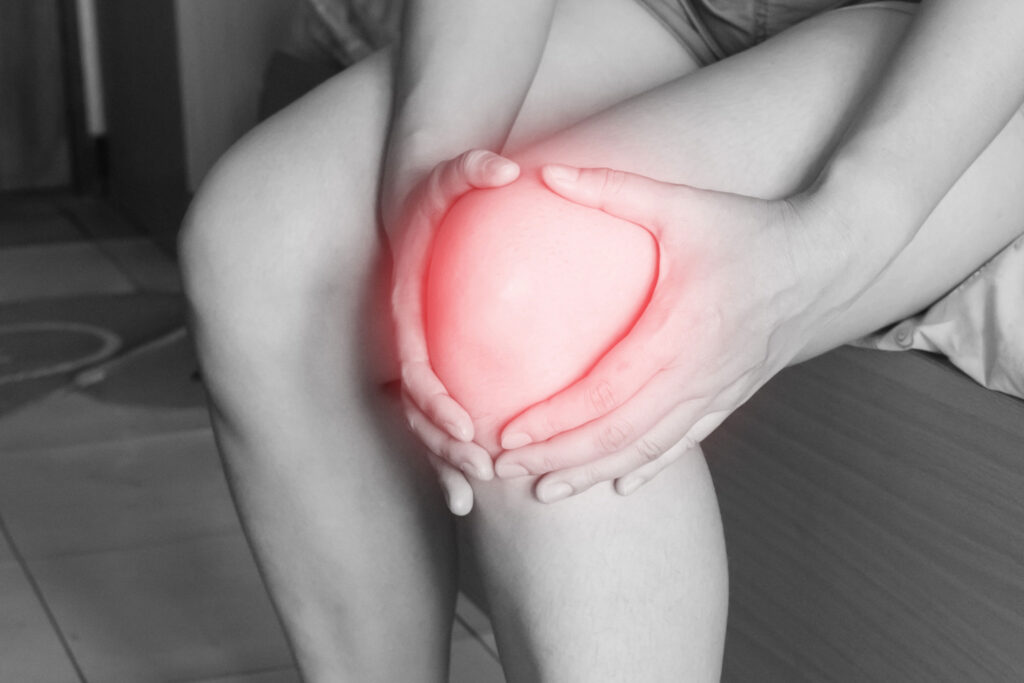
Back surgery is often performed to relieve pressure on spinal nerves, improve mobility and reduce symptoms such as sciatica. However, some patients continue to experience burning, shooting, tingling or electric-shock-like pain in one or both legs after their operation.
This does not automatically mean that the surgery has failed. Nerves can take time to recover, and persistent leg pain can have several possible causes. The appropriate treatment depends on why the pain is continuing, how long it has been present and whether it is accompanied by numbness, weakness or other neurological symptoms.
This guide explains what may cause nerve pain in the legs after back surgery, when specialist assessment is appropriate and which treatment options may be considered.
Important: This article provides general information and does not replace an individual medical assessment. New or rapidly worsening weakness, loss of bladder or bowel control, numbness around the genitals or buttocks, fever, wound problems or severe unexplained pain require urgent medical attention.
Is leg pain normal after back surgery?
Some pain and discomfort are expected during the initial recovery period. Inflammation around the surgical area can temporarily irritate nerves, while the tissues and muscles affected by the operation need time to heal.
After lumbar decompression surgery, improvement may be gradual over the first six to eight weeks, with more significant improvement sometimes occurring by around 12 weeks. The exact recovery period varies according to the operation, the condition treated, the duration of nerve compression before surgery and the patient’s overall health.
Numbness, pins and needles and altered sensation may take longer to improve than leg pain. In some cases, a nerve that was compressed for a long time may not recover completely.
Persistent or worsening pain should nevertheless be reviewed rather than assumed to be a normal part of recovery.
What does nerve pain after back surgery feel like?
Nerve pain, also known as neuropathic pain, can feel different from ordinary muscular or postoperative soreness. Patients may describe:
- Burning pain in the thigh, calf or foot
- Electric-shock-like sensations
- Shooting or stabbing pain down the leg
- Pins and needles
- Tingling or crawling sensations
- Pain caused by light touch or clothing
- Areas of reduced sensation or numbness
- Unusual hot or cold sensations
- Leg or foot weakness
The symptoms may follow the path of a particular spinal nerve. Pain beginning in the lower back or buttock and travelling down the leg is commonly described as radicular pain or sciatica.
It is also possible to have more than one type of pain simultaneously. For example, a patient may have postoperative muscular discomfort, pain from a spinal joint and neuropathic pain caused by an irritated nerve.
Why can nerve pain continue after spinal surgery?
There is no single explanation for all persistent pain after back surgery. A detailed assessment is needed to identify the most likely pain generator.
1. The nerve is still recovering
A compressed nerve does not always recover immediately after pressure has been removed. If the nerve was compressed or inflamed for months or years before surgery, improvement may occur slowly.
During recovery, some patients experience temporary tingling, sensitivity or intermittent shooting sensations. The important question is whether symptoms are gradually improving, remaining unchanged or becoming worse.
2. Ongoing inflammation around the nerve
Inflammation can remain around a nerve root after surgery. This may produce pain down the leg even when the original mechanical compression has been addressed.
The symptoms may become more noticeable after certain movements, prolonged sitting, standing or increased physical activity.
3. Scar tissue around the nerve
Scar tissue is part of the body’s normal healing response. In some patients, postoperative scar tissue around the spinal nerves may contribute to irritation or restrict the normal movement of a nerve.
This is sometimes called epidural fibrosis. It does not cause symptoms in everyone, and its presence on a scan does not necessarily prove that it is responsible for the pain. Clinical assessment and imaging findings must therefore be interpreted together.
4. Residual or recurrent nerve compression
A nerve may remain compressed if the original narrowing was not completely relieved. Compression can also recur because of another disc prolapse, progressive spinal narrowing or changes at the operated level.
Symptoms may resemble those experienced before surgery, although their location or intensity can differ.
5. Changes at another spinal level
The spine contains several discs, joints and nerve exits. Treating one level does not prevent age-related or degenerative changes from developing elsewhere.
New pain may therefore arise from a different level rather than the original surgical area.
6. Nerve injury or established nerve damage
Sometimes a nerve has sustained damage from long-standing compression, the underlying spinal condition or, less commonly, the operation itself. Neuropathic symptoms may continue even after the structural problem has been treated.
This does not mean that nothing can be done. It means treatment may need to focus on reducing nerve sensitivity, improving function and helping the patient manage the wider effects of persistent pain.
7. Pain from a different source
Not all pain felt in the leg comes from a spinal nerve. Possible alternative or contributing sources include:
- Sacroiliac joint pain
- Hip or knee conditions
- Muscle and tendon problems
- Peripheral nerve entrapment
- Vascular problems affecting circulation
- Diabetic or other peripheral neuropathy
A specialist assessment helps prevent treatment being directed at the spine when another structure is responsible.
When should leg pain after back surgery be investigated?
Contact the surgical team, GP or an appropriate clinician when:
- Pain is severe or progressively worsening
- Symptoms are not following the expected recovery pattern
- Previous leg pain returns after initially improving
- Pain interferes significantly with sleep, walking or rehabilitation
- There is persistent numbness, tingling or weakness
- Medication is ineffective or causes significant side effects
- Pain continues beyond the initial postoperative recovery period
The timing of further investigation depends on the operation and the symptoms. A patient who is only a few days after surgery requires a different approach from someone experiencing persistent neuropathic pain several months later.
Which symptoms require urgent medical attention?
Seek urgent medical advice if leg pain is associated with:
- New or rapidly worsening weakness
- Difficulty lifting the front of the foot
- Loss of bladder or bowel control
- Difficulty starting or stopping urination
- Numbness around the inner thighs, genitals or buttocks
- Fever, chills or feeling significantly unwell
- Redness, swelling, discharge or opening of the surgical wound
- Severe pain following a fall or new injury
- A swollen, painful or discoloured calf
- Chest pain or sudden shortness of breath
These symptoms should not be managed solely through an online article or routine pain-clinic appointment.
How is persistent nerve pain assessed?
A pain specialist will normally begin by understanding the complete history rather than relying on a scan alone.
Review of the original condition and operation
This may include:
- The symptoms present before surgery
- The type and date of the operation
- Whether symptoms improved immediately afterwards
- When the current pain started
- Whether its location has changed
- Previous scans, procedure reports and clinic letters
Clinical examination
The clinician may assess:
- Muscle strength
- Sensation
- Reflexes
- Walking pattern
- Spinal movement
- Hip and sacroiliac-joint function
- Signs suggesting irritation of a particular nerve root
Imaging and other investigations
Depending on the findings, investigations may include an MRI scan, CT scan, X-ray or nerve-conduction testing. In a postoperative spine, contrast-enhanced imaging may sometimes help distinguish recurrent disc material from scar tissue.
Tests should be selected according to the clinical question. An abnormality on a scan is not automatically the source of pain, while significant neuropathic pain can sometimes exist without a dramatic imaging finding.
What helps nerve pain in the legs after back surgery?
Treatment should be individualised. It may involve several approaches rather than one isolated procedure.
1. Time, activity modification and monitored recovery
When symptoms are consistent with expected nerve recovery and no concerning features are present, the initial plan may involve observation, appropriate pain relief and gradual rehabilitation.
Complete inactivity is rarely helpful for a prolonged period. However, activity must be progressed according to the surgeon’s instructions, the type of operation and the patient’s clinical condition.
2. Physiotherapy and rehabilitation
A tailored rehabilitation programme may help restore movement, strength, confidence and tolerance for normal activity.
Treatment may include:
- Graded walking or cardiovascular activity
- Core and trunk-strengthening exercises
- Mobility exercises
- Movement and lifting education
- Pacing strategies
- Gradual return to work and daily activity
Exercises should be adapted when nerve pain is highly sensitive or neurological weakness is present. Repeatedly forcing movements that substantially aggravate leg symptoms is not the same as productive rehabilitation.
3. Medicines used for neuropathic pain
Ordinary painkillers do not always control nerve pain effectively. Depending on the patient’s health, current medication and type of symptoms, a clinician may consider medicines specifically used in neuropathic-pain management.
NICE guidance lists amitriptyline, duloxetine, gabapentin or pregabalin among initial options for some forms of neuropathic pain, with important exceptions and condition-specific recommendations. These medications are not suitable for everyone and can cause adverse effects such as drowsiness, dizziness or concentration problems.
Medication should be prescribed and reviewed by an appropriate clinician. Patients should not increase, stop or combine prescribed medication without advice, particularly because some medicines require gradual dose adjustment or withdrawal.
4. Psychological and pain-management support
Persistent pain affects more than physical sensation. It can disrupt sleep, work, relationships, confidence and emotional wellbeing.
Psychological support does not imply that the pain is imaginary. Pain-management programmes may help patients understand flare-ups, improve pacing, reduce fear of movement and rebuild meaningful activity despite ongoing symptoms.
This approach is often most effective as part of multidisciplinary treatment rather than as a substitute for investigating potentially treatable physical causes.
5. Targeted spinal injections
When assessment suggests an inflamed spinal nerve, a targeted injection may be considered. Depending on the clinical findings, this could include an epidural injection or a selective nerve-root injection.
The purpose may be diagnostic, therapeutic or both. A temporary response can provide information about whether a particular nerve is contributing to the symptoms.
Injections do not guarantee permanent pain relief and are not appropriate for every patient. The expected benefits, risks and alternatives should be discussed before proceeding.
6. Epidural adhesiolysis
Where postoperative epidural scarring is thought to contribute to persistent nerve irritation, epidural adhesiolysis may be considered in selected cases.
The procedure is intended to improve access to the affected area and potentially reduce the effect of adhesions around irritated nerve tissue. Patient selection is important, and not all postoperative pain is caused by scar tissue.
7. Radiofrequency treatments
Radiofrequency procedures may help certain types of spinal or joint-related pain, but they are not a universal treatment for postoperative nerve pain.
For example, medial branch radiofrequency denervation targets nerves carrying pain signals from spinal facet joints. It is different from treatment directed at a compressed or damaged spinal nerve root.
A clear diagnosis is therefore essential before radiofrequency treatment is considered.
8. Spinal cord stimulation
Spinal cord stimulation may be considered for selected patients with persistent neuropathic pain after spinal surgery when appropriate conservative and interventional treatments have not provided sufficient benefit.
A spinal cord stimulation system delivers low-level electrical signals to modify pain transmission. It does not repair the spine or cure the underlying condition, but it may reduce the intensity and impact of certain types of chronic neuropathic pain.
Assessment usually includes:
- Confirmation that the pain pattern is suitable
- Review of previous treatments
- Consideration of physical and psychological factors
- Discussion of realistic goals
- A temporary stimulation trial before permanent implantation
The aim is not necessarily complete elimination of pain. Meaningful outcomes may include improved walking, better sleep, reduced reliance on medication and greater participation in daily life.
9. Further spinal surgery
Revision surgery may be appropriate when there is a clearly identified structural problem that can reasonably be corrected, such as significant recurrent compression, instability or a problem involving spinal hardware.
Further surgery is not automatically the best answer to unexplained postoperative pain. The likelihood of benefit must be weighed against the risks, previous operations and whether the imaging findings match the symptoms.
Can nerve pain after surgery go away?
Yes, nerve pain can improve, but recovery varies considerably.
Factors that may influence recovery include:
- How long the nerve was compressed before surgery
- The severity of the original nerve injury
- The patient’s age and general health
- Smoking and vascular health
- Diabetes or other neurological conditions
- The cause of the ongoing symptoms
- Participation in appropriate rehabilitation
Some patients recover gradually over weeks or months. Others continue to have altered sensation or neuropathic pain that requires longer-term management.
A lack of immediate improvement does not always indicate a permanent problem. Equally, symptoms should not be ignored indefinitely when they remain severe or functionally limiting.
What can patients do at home?
Home management should follow the advice of the surgical and rehabilitation teams. General measures may include:
- Taking prescribed medication exactly as directed
- Following postoperative movement restrictions
- Using pacing rather than alternating overactivity with prolonged bed rest
- Increasing walking gradually when medically appropriate
- Keeping a record of pain triggers and neurological symptoms
- Maintaining a consistent sleep routine
- Avoiding smoking
- Managing diabetes and other long-term conditions
- Attending scheduled follow-up appointments
Patients should avoid purchasing unverified remedies or beginning intensive exercise programmes without checking that they are appropriate after their particular operation.
Questions to ask at a pain consultation
It may be helpful to ask:
- Does my pain sound neuropathic, mechanical or mixed?
- Is the pain coming from the original surgical level?
- Do I need updated imaging?
- Are there signs of ongoing nerve compression?
- Could another joint or peripheral nerve be causing the symptoms?
- Which medication options are appropriate for me?
- Would an injection help confirm the pain source?
- Am I suitable for epidural adhesiolysis?
- When is spinal cord stimulation considered?
- What improvement would be realistic in my case?
Preparing for a specialist consultation
Where possible, bring:
- Your operation report or discharge summary
- Copies of previous MRI or CT reports
- A current medication list
- Details of previous injections or treatments
- A timeline showing when symptoms changed
- Information about weakness, numbness and walking limitations
This can help the consultant understand what has already been investigated and avoid unnecessary duplication.
Specialist assessment for persistent leg pain after back surgery
Persistent nerve pain after spinal surgery can be complex, particularly when several structures or pain mechanisms are involved. The first step is not necessarily another procedure. It is an accurate assessment of the symptoms, neurological findings, previous surgery and relevant imaging.
At Pain Consultants, patients can receive a consultant-led assessment and an individual treatment plan based on the likely cause of their pain. Depending on the findings, options may include medication review, rehabilitation, targeted procedures or assessment for neuromodulation.
Book a pain management consultation to discuss persistent leg or nerve pain following back surgery.
Frequently asked questions
Why do I still have sciatica after back surgery?
Sciatica may continue because a nerve is still recovering, remains inflamed, is affected by scar tissue or is still compressed. Recurrent disc problems, changes at another spinal level and non-spinal causes are also possible. Assessment is needed to identify which explanation is most likely.
How long does it take for leg nerves to heal after back surgery?
Recovery differs between patients. Pain may improve over several weeks, while numbness and tingling can take considerably longer. Recovery may be incomplete when a nerve was severely or chronically compressed before surgery.
Does walking help nerve pain after back surgery?
Graded walking is often included in postoperative rehabilitation, but the appropriate distance and intensity depend on the operation and the patient’s condition. Follow the surgical team’s instructions and seek advice if walking causes marked or progressive neurological symptoms.
Can scar tissue cause sciatica after surgery?
Postoperative scar tissue can sometimes irritate or restrict tissue around a spinal nerve. However, scar tissue can also be visible on scans without causing symptoms, so imaging must be considered alongside the examination and pain pattern.
Can spinal cord stimulation help leg pain after back surgery?
It may help selected patients with persistent neuropathic pain after spinal surgery when other appropriate treatments have not produced sufficient improvement. Patients normally undergo a detailed multidisciplinary assessment and a temporary trial before permanent implantation is considered.
Will I need another operation?
Not necessarily. Further surgery is generally considered when investigations identify a correctable structural problem that corresponds with the symptoms. Medication, rehabilitation, targeted injections or neuromodulation may be more appropriate in other cases.
When should I see a pain specialist?
Specialist assessment may be appropriate when pain persists beyond the expected recovery period, significantly restricts daily life, does not respond to initial treatment or has an unclear cause. Urgent neurological or postoperative warning signs should instead be assessed immediately.