


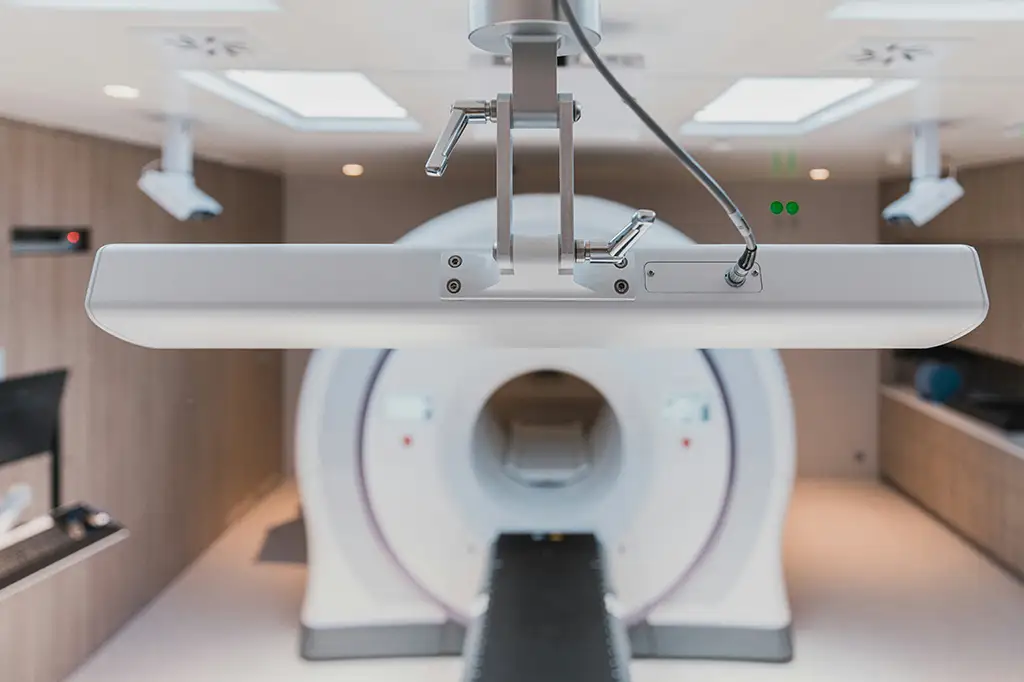
Being told that your MRI scan is normal can be reassuring, particularly when doctors are investigating a potentially serious condition. But if you are still experiencing persistent back pain, nerve pain or discomfort that affects your daily life, the results may leave you with more questions than answers.
You might wonder whether something has been missed, why the pain continues or whether any treatment is available.
A normal MRI scan does not necessarily mean that nothing is wrong. Imaging provides important information about certain structures inside the body, but pain is complex, and not every cause or contributing factor can be identified through a scan.
Understanding what an MRI can and cannot show is an important step towards deciding what to do next.
Can You Have Chronic Pain With a Normal MRI Scan?
Yes. It is possible to experience persistent or chronic pain even when an MRI scan does not identify a clear structural abnormality.
MRI scans are valuable diagnostic tools. They can help identify certain problems involving the spine, discs, nerves, joints and surrounding tissues.
However, a scan is only one part of a medical assessment.
Pain involves interactions between the nervous system, body tissues and other factors. Its intensity does not always correspond directly to abnormalities visible on imaging.
For example, someone may experience significant back pain despite having relatively unremarkable scan findings. Another person may have noticeable changes on an MRI but experience little or no pain.
This is why a diagnosis should not normally be based on imaging results alone.
A clinician must also consider your symptoms, medical history, physical examination and the impact of pain on your everyday activities.
The NHS guide to MRI scans explains how these investigations are used to diagnose conditions and guide treatment decisions.
Why Might an MRI Scan Not Explain Your Pain?
There are several possible explanations.
1. Not Every Source of Pain Is Clearly Visible on MRI
MRI scans provide detailed images of many internal structures, but they cannot directly measure the experience of pain.
Some painful conditions may involve mechanisms that do not produce an obvious abnormality on routine imaging.
In other cases, the scan may show changes that are difficult to interpret without considering the patient’s symptoms and examination findings.
For example, pain involving muscles, joints or certain nerves may require further clinical evaluation to understand what is contributing to the symptoms.
A normal scan should therefore be interpreted alongside the wider clinical picture.
2. The Nervous System Can Become More Sensitive to Pain
The nervous system plays a central role in how pain is produced and experienced.
In some persistent pain conditions, changes in pain processing can increase sensitivity to signals that would not normally cause significant discomfort.
This can contribute to pain that continues after an initial injury has healed or when there is no clear ongoing tissue damage.
The term central sensitisation is sometimes used to describe increased responsiveness within the central nervous system.
However, central sensitisation is not a diagnosis that can be established simply because an MRI result is normal.
Other possible causes must still be considered through an appropriate clinical assessment.
3. Some Nerve Problems Require Additional Assessment
Nerve-related pain can cause symptoms such as burning, tingling, shooting discomfort, altered sensation or electric-shock-like pain.
Depending on the underlying cause, these symptoms may not always be explained by a routine MRI scan.
An MRI of the lumbar spine, for example, is not designed to assess every possible cause of nerve pain affecting the legs or feet.
A clinician may need to consider whether symptoms suggest a spinal nerve problem, peripheral neuropathy or another condition.
Further assessment may involve neurological examination, blood tests or nerve conduction studies when clinically appropriate.
For more information about these different conditions, read our guide to Sciatica vs Peripheral Neuropathy: How to Tell the Difference.
4. Chronic Primary Pain May Be a Consideration
The National Institute for Health and Care Excellence (NICE) distinguishes between chronic primary pain and chronic secondary pain.
Chronic secondary pain is associated with an underlying condition, such as osteoarthritis or another identifiable disease.
Chronic primary pain refers to persistent pain that cannot be adequately explained by another underlying condition, or where the pain and its impact are disproportionate to an observable injury or disease.
The two forms of pain can also occur together.
Importantly, chronic primary pain is a recognised clinical condition. It does not mean that symptoms are imaginary or that the patient is deliberately exaggerating them.
However, a diagnosis requires appropriate clinical assessment rather than being made solely because investigations have not identified a cause.
The NICE guideline on chronic pain assessment and management provides further information about the distinction between chronic primary and secondary pain.
Can You Have Sciatica With a Normal MRI Scan?
Sciatica describes symptoms associated with irritation or involvement of the sciatic nerve or the nerve roots that contribute to it.
Typical symptoms may include pain travelling from the lower back or buttock into the leg, sometimes accompanied by tingling, altered sensation or weakness.
An MRI may identify a structural cause, such as a disc herniation affecting a nerve root.
However, not every patient with leg pain will have a clear abnormality on imaging.
Sometimes the scan findings do not fully explain the symptoms. In other cases, the pain may arise from a different condition.
It is therefore important to avoid assuming that all pain travelling down the leg is necessarily caused by sciatica.
A careful clinical examination can help determine whether symptoms are consistent with nerve-root involvement or whether another explanation should be investigated.
Patients experiencing persistent back or leg pain can learn more about our Spinal Pain and Sciatica service, which explains the clinic’s approach to these conditions.
Why Do Some People Have Abnormal MRI Results Without Pain?
MRI scans may identify degenerative changes that become more common with age.
Examples include disc degeneration, disc bulges and changes affecting spinal joints.
However, the presence of these findings does not automatically establish that they are responsible for a person’s symptoms.
Some degenerative changes occur in people who experience little or no pain.
This is one reason clinicians must interpret imaging results carefully.
The location and nature of an abnormality should be considered alongside the patient’s symptoms and physical examination.
Similarly, the absence of a significant abnormality does not automatically rule out every possible cause of pain.
The purpose of imaging is not simply to find an abnormality. It is to provide information that may help guide an appropriate diagnosis or treatment decision.
Should You Request Another MRI Scan?
Not necessarily.
Repeating an MRI scan may be appropriate in certain circumstances, particularly where symptoms have changed, new neurological problems have developed or the result could affect treatment decisions.
However, additional imaging does not always provide useful new information.
NICE guidance on low back pain and sciatica advises against routinely offering imaging in non-specialist settings.
It also recommends considering imaging in specialist settings only where the result is likely to change management.
Whether another scan is needed depends on the symptoms, clinical findings, previous investigations and the possibility of an underlying condition requiring further assessment.
Rather than automatically requesting another MRI, it may be more useful to have your existing results reviewed alongside a comprehensive examination.
What Should You Do if Pain Continues Despite Normal Scan Results?
If your pain is persistent, worsening or interfering with daily activities, further clinical assessment may be appropriate.
The next steps will depend on your symptoms and the investigations already performed.
Review Your Medical History and Previous Results
A clinician may begin by reviewing when the pain started, how it has changed and what investigations have already been completed.
Previous MRI reports, medical letters, blood tests and treatment records can provide useful information.
It is also important to explain whether the pain followed an injury, illness, operation or another significant event.
Describe Your Pain Clearly
Try to explain:
- Where the pain is located.
- Whether it spreads to another area.
- Whether it feels burning, aching, stabbing or shooting.
- What makes it better or worse.
- Whether you experience numbness or tingling.
- Whether symptoms affect sleep.
- How the pain affects walking, working or everyday activities.
- Which treatments you have already tried.
A detailed description can help clinicians identify patterns and decide whether further investigations are needed.
Consider a Specialist Pain Assessment
A pain specialist may review your symptoms, medical history and previous investigations to consider possible causes and suitable management options.
The assessment may identify a condition requiring further investigation or referral to another specialist.
In other cases, the priority may be developing a plan to reduce pain-related difficulties and improve everyday function.
The appropriate approach should be individualised rather than based on the MRI report alone.
Pain Consultants provides a Comprehensive Diagnosis service for patients who require further assessment of persistent pain.
What Treatments Are Available When an MRI Scan Is Normal?
Treatment depends on the underlying diagnosis, symptoms, medical history and individual needs.
There is no single treatment that is appropriate for everyone experiencing persistent pain with normal imaging.
Potential approaches may include the following.
Physical Activity and Rehabilitation
For some musculoskeletal pain conditions, appropriate exercise and rehabilitation can help improve movement, physical function and confidence.
The type and intensity of activity should be tailored to the individual’s capabilities and clinical circumstances.
A physiotherapist or other qualified clinician may help develop a suitable rehabilitation plan.
Our Rehabilitation and Pain Management Programme provides further information about rehabilitation-based approaches to persistent pain.
Medication Review
Some people with persistent pain have tried several medications without achieving satisfactory relief.
A medication review can help assess whether current treatments remain appropriate, whether they are providing meaningful benefit and whether side effects or other risks need consideration.
Medication recommendations vary substantially between different pain conditions.
Treatment suitable for neuropathic pain, for example, may not be recommended for chronic primary pain or non-specific low back pain.
Any medication changes should be discussed with an appropriate prescribing clinician.
Psychological Approaches to Pain Management
Persistent pain can affect sleep, mood, concentration and daily activities.
Psychological approaches used in pain management are intended to help people understand and manage the impact of pain.
They do not imply that the pain is imaginary.
For certain chronic pain conditions, NICE recommends considering approaches such as cognitive behavioural therapy for pain or acceptance and commitment therapy.
These approaches may form part of a wider management plan.
Specialist Procedures When Clinically Appropriate
Some patients may benefit from specialist interventions when a suitable diagnosis and clinical indication have been established.
Procedures such as certain nerve blocks or other targeted interventions may be considered for particular conditions.
However, injections and procedures are not appropriate for every patient or every type of persistent pain.
They should not be recommended simply because an MRI scan appears normal.
The potential benefits, limitations and risks must be assessed individually.
For further information, read our article Nerve Block Injections for Pain: What They Treat, How They Work and What to Expect.
When Should You See a Pain Management Specialist?
A specialist assessment may be worth considering when pain continues despite initial treatment or when symptoms significantly affect your quality of life.
Examples include:
- Pain that has persisted for several months.
- Recurring pain that interferes with work or daily activities.
- Persistent nerve pain or unusual sensory symptoms.
- Pain that continues after an injury or operation.
- Difficulty managing symptoms despite previous treatment.
- Uncertainty about the cause of ongoing pain.
- A need to review existing investigations and treatment options.
A specialist consultation does not automatically mean that injections, surgery or another procedure will be recommended.
The purpose is to understand the problem more clearly and develop an appropriate plan.
If you are considering an appointment, our guide to What Happens During Your First Pain Management Consultation explains what patients can expect.
When Is Persistent Back Pain an Emergency?
Although many cases of back pain are not caused by a serious condition, some symptoms require urgent medical attention.
Call 999 or attend A&E immediately if you have back pain accompanied by new bladder or bowel control problems, loss of sensation around the genitals or anus, or pain, tingling, weakness or numbness affecting both legs.
These symptoms can indicate a serious neurological problem requiring emergency assessment.
Severe back pain that develops suddenly or worsens rapidly, or back pain accompanied by fever or feeling generally unwell, also requires urgent medical advice.
Contact NHS 111 or seek an urgent GP appointment as appropriate.
Do not wait for a routine private pain consultation if emergency symptoms are present.
The NHS back pain guidance explains when to seek urgent or emergency medical attention.
How Pain Consultants Can Help
Pain Consultants provides consultant-led assessment and pain management services for people experiencing persistent pain.
At our Lancashire clinic, patients can discuss ongoing symptoms, previous investigations and treatments that have not provided sufficient relief.
A consultation may involve reviewing MRI reports or other investigations, discussing the pattern of symptoms and considering whether further assessment or a different management approach is appropriate.
The aim is to develop an individualised understanding of the pain and identify reasonable next steps.
Not every patient will require an intervention, and treatment decisions depend on the clinical findings and individual circumstances.
The clinic’s medical leadership includes Dr Magdy Aglan, Medical Director.
Frequently Asked Questions
Does a normal MRI mean my pain is not real?
No. A normal MRI does not invalidate your symptoms. Pain is a complex experience, and imaging does not identify every possible cause or contributing factor. Further clinical assessment may help explain the symptoms.
Can nerve pain occur without an abnormal MRI?
Yes. Some nerve-related conditions may not be identified by a routine MRI. The appropriate assessment depends on the symptoms, examination findings and suspected cause.
Can chronic pain continue after an injury has healed?
Yes. Persistent pain can sometimes continue after the original injury has healed. Changes in pain processing and other contributing factors may be involved, although ongoing or new medical causes still need appropriate consideration.
Should I repeat my MRI if I am still in pain?
Not automatically. Repeat imaging is generally considered when there is a clinical reason for it, such as new symptoms or findings that could change management. A healthcare professional should assess whether another scan is appropriate.
Can a pain specialist help if doctors have not found a cause?
A pain specialist may help review previous assessments, consider possible explanations and discuss suitable management options. However, an appointment cannot guarantee that a definitive cause will be identified.
Will I need injections or surgery?
Not necessarily. Many pain management approaches do not involve invasive procedures. The appropriate treatment depends on the diagnosis, symptoms and clinical assessment.
How long does pain need to last before it is considered chronic?
Chronic pain is generally defined as pain lasting or recurring for more than three months. However, you do not need to wait three months to seek medical advice if symptoms are concerning, worsening or affecting daily life.
Book a Pain Management Consultation in Lancashire
Living with persistent pain can be difficult, particularly when previous tests have not provided a clear explanation.
A normal MRI result may rule out certain problems, but it does not necessarily explain why you are still experiencing symptoms.
If ongoing pain is affecting your daily activities, sleep or quality of life, an individualised medical assessment may help identify the next appropriate steps.
Pain Consultants offers consultant-led pain management consultations in Lancashire.
Patients can discuss their symptoms, previous investigations and treatment history with the clinical team.
Book a Pain Management Consultation to arrange an appointment or contact the clinic for further information.
This article provides general educational information and does not replace personalised medical advice, diagnosis or treatment.